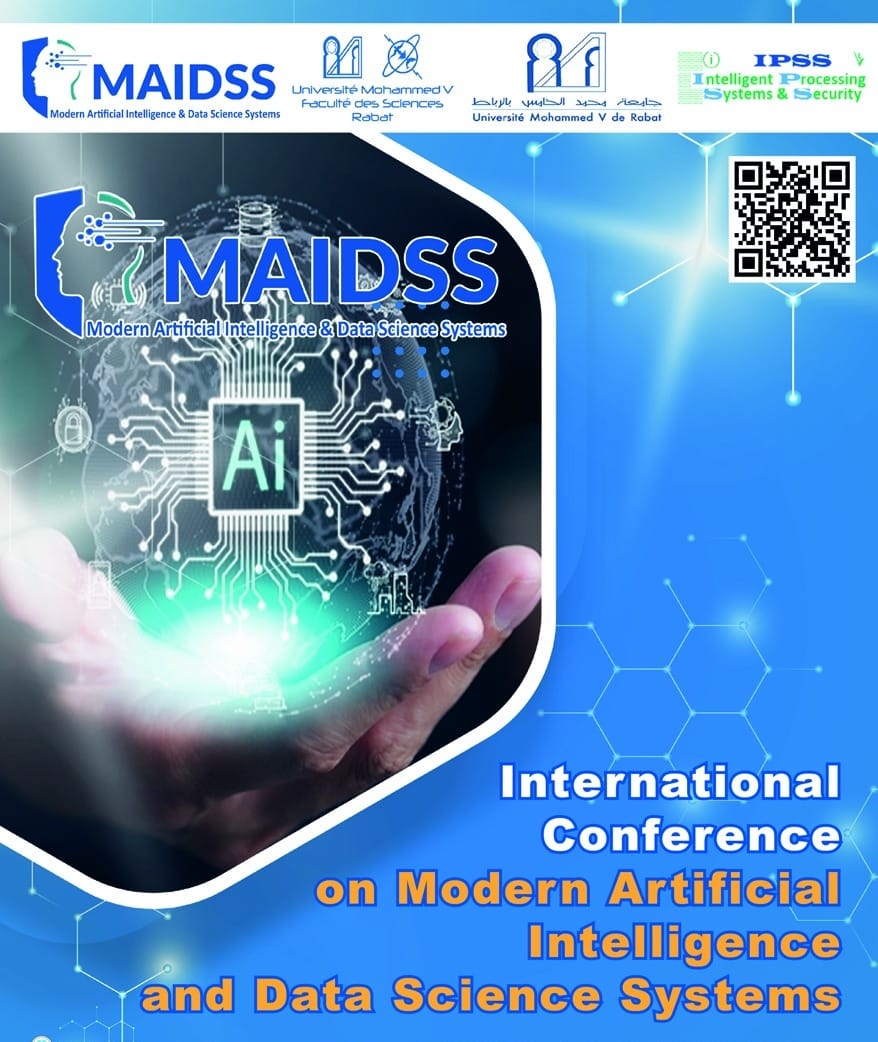
International Conference on Modern Artificial Intelligence & Data Science Systems

Mohammed V University in Rabat, Faculty of Science, Rabat


Logo springerLogo Scopus
  • 00

    Days

  • 00

    Hours

  • 00

    Minutes

  • 00

    Seconds

CALL FOR PAPERS

The 5th International Conference on Modern Artificial Intelligence and Data Science Systems (MAIDSS), as in MISC18, MISC20, MAIDSS22 and MAIDSS24, focuses on Artificial Intelligence and Data Science (AI&DS), their applications and how AI&DS fields can support societal challenges such as health and well-being, food and nutrition, agriculture, clean energy, transportation and risk management, for critical issues such as climate change, environmental and ecological protection, societal safety, etc. At the same time, the socio-economic context has also favored the emergence of frauds and other cyber-criminal activities. AI coupled to DS can be used to safeguard and protect users from these kinds of threats. AI&DS are potentially offering solutions to many practical issues of everyday life and if well exploited can positively revolutionize the life of the people.

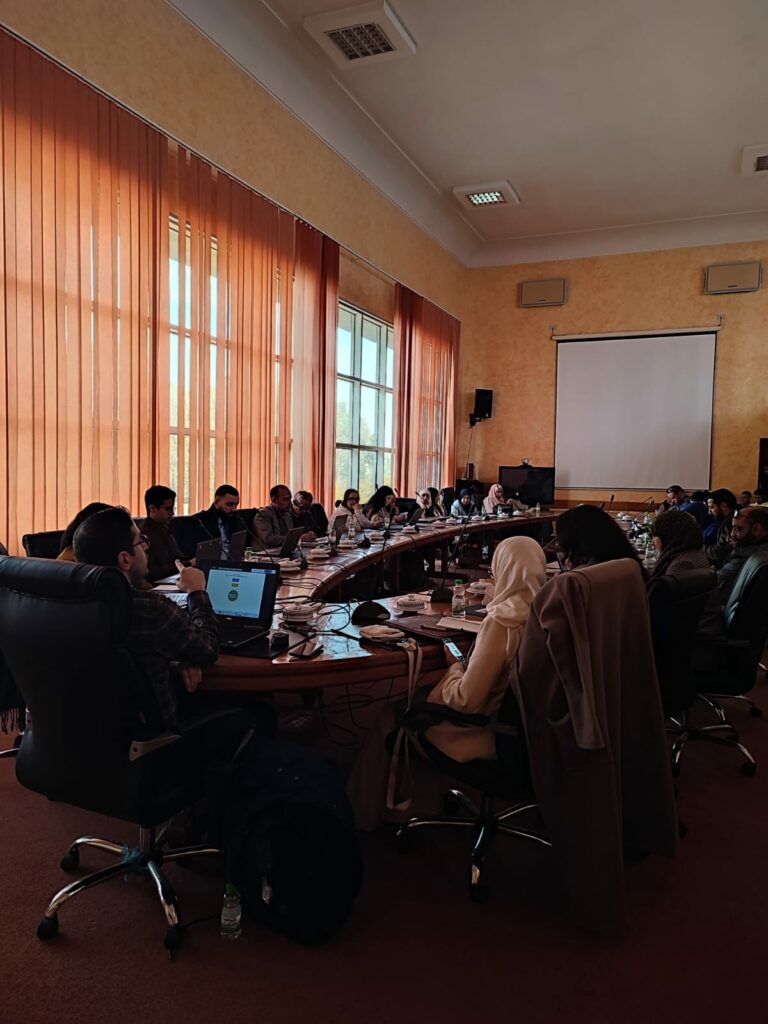
MAIDSS aims to put in place sustainable mechanisms to strengthen and promote the cooperation between academics and professionals. It is also a key tool for strengthening industrial cooperation in AI R&D and bridging the gap between research and the market.

This Conference is a privileged place to exchange ideas, debates and networking between academics and entrepreneurs around the key issues of research, development and innovation in the various fields of Artificial Intelligence, Data Science and their Applications.
This session is therefore intended for start-ups, Designers, Developers, Decision-Makers, Consultants, and of course Master/PhD Students, Researchers and Academics.
Artificial Intelligence (AI) Artificial Intelligence in Technology Trends Artificial Intelligence in Business Artificial Intelligence in Communication Artificial Intelligence in Societal Challenges
Agentic AI & AI Agents AI for Science Business Intelligence Cloud, Fog & Soft Computing Agriculture
Agentic RAG & LLMs Big Data Business Modelling IoT & Internet of Everything Biometrics & Cyber Security
Cognitive Computing Blockchain Business Operations Management M2M Systems and Services Clean Energy & Environment
Constraint Programming Collaborative & Decentralized Systems Business Process Management Microservices Climate Change
Deep Learning Computational Intelligence Data Analysis Mobile Adhoc Networks Food and Nutrition
Embodied AI Computer Vision e-Learning Tools Mobile and Multi Edge Computing Health and Well-Being
Ethics & Governance Data Mining & Web Mining Enterprise Architecture (EA) Network Evolutions (5G/6G) GovTech
Expert Systems Evolutionary Methods Enterprise Engineering Networking & Mobile Apps Information Security & Privacy
Generative AI & Transformers Human Computer Interaction Enterprise Knowledge Engineering & Management Next Generation Networks Medical Diagnosis
Knowledge Systems & Semantics Information Retrieval Enterprise Resource Planning Satellite Communication Systems Risk Management
Logic & Fuzzy Logic NLP & Machine Translation Service Oriented Architecture SDN & SRN & CRN Smart Cities
Machine Learning Quantum Computing Supply Chain Management Vehicular Networks Smart Services and Platforms
Multi-Agent Systems Robotics & Cobotics Virtual Organisations Virtual Network Function Social Computing
Recommendation Systems Sentiment & Content Analysis Web Analytics Wireless & Mobile Communication Societal and Private Safety
Systems of Systems Social & Multimedia Analysis Web Services Wireless Sensor Networks Transportation
Etc. Etc. Etc. Etc. Etc.

IMPORTANT DATES

Important schedule details for authors and contributors.

Paper Submission Due

25 October 2025
15 November 2025 (Firm)

Acceptance Notification

03 December 2025

Author Registration

05 December 2025

Camera Ready Submission

07 December 2025

Conference Dates

20-22 January 2026

INVITED TALKS

SUBMISSION GUIDELINES

  • Authors are kindly invited to submit research papers, posters, or demos that are not submitted, published, or under consideration elsewhere. Submit via EasyChair or email maidss@maidss.org.
  • Full Papers (12–20 pages) and Short Papers (6–8 pages), written in English, must follow the Springer template available here.
  • All submissions will be peer-reviewed by at least two TPC members.
  • Evaluation will consider relevance, originality, technical depth, novelty, impact, and quality.

PROCEEDINGS PUBLICATION AND INDEXING

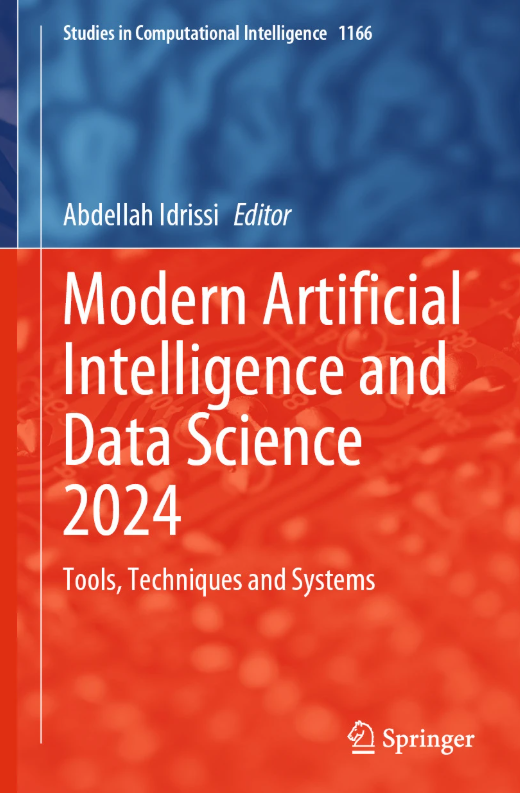
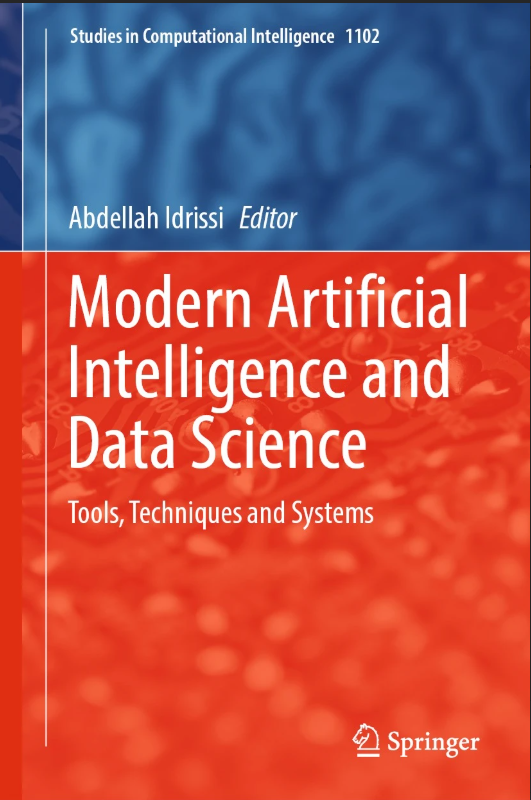
The proceedings will be published under the SPRINGER Book Series "Studies in Computational Intelligence", indexed in SCOPUS, DBLP, etc.

Springer Logo Scopus Logo

Selected high-quality papers will be invited for extended submission (over 20 pages) in the IJWET Journal. These will undergo an additional peer-review process before publication.

CONFERENCE VENUE

The conference will take place in Rabat, Morocco.

Online presentation options are available for authors unable to attend in person.

Previous Conference Publications

COMMITTEES

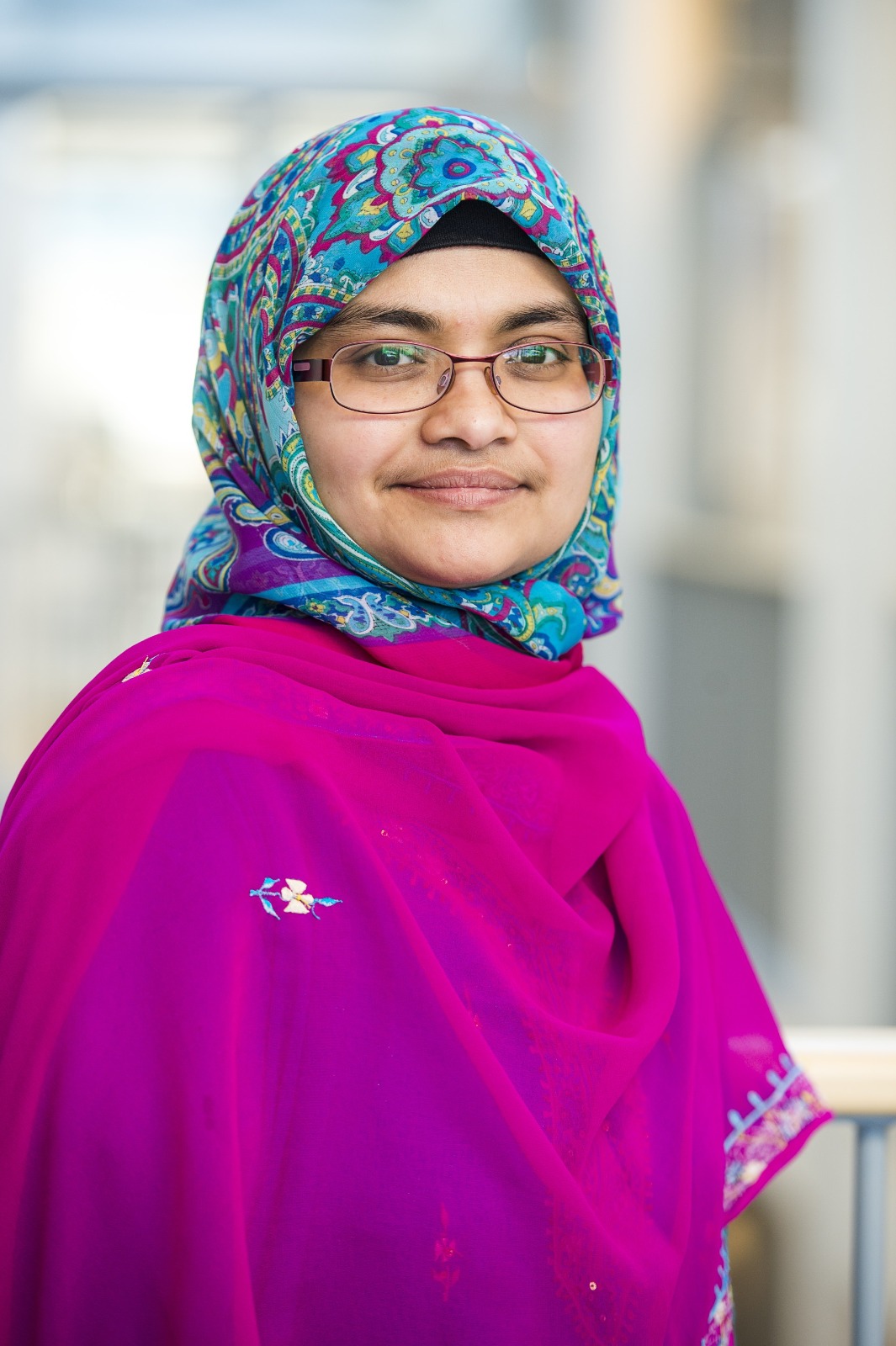
Dr. Shahina Begum

Industrial Artificial Intelligence Systems: Current Practice and Impact

Speaker: Dr. Shahina Begum

Professor of Artificial Intelligence · Deputy Leader, AI and Intelligent Systems
Mälardalen University (MDU), Sweden

Abstract

Industrial AI systems are transforming modern industries, from manufacturing and energy to logistics and process control, enabling data-driven decision-making and operational efficiency. As these systems move from research prototypes to real-world deployment, ensuring trustworthiness becomes critical.

This keynote examines the current practice of industrial AI systems, highlighting successful implementations, common challenges, and lessons learned. It explores trusted AI principles: robustness under uncertainty, interpretability, and alignment with industrial processes.

Through real-world case studies, the talk demonstrates the impact of deploying trusted AI systems in industrial environments, emphasizing the enhancement of human confidence in AI-driven decisions.
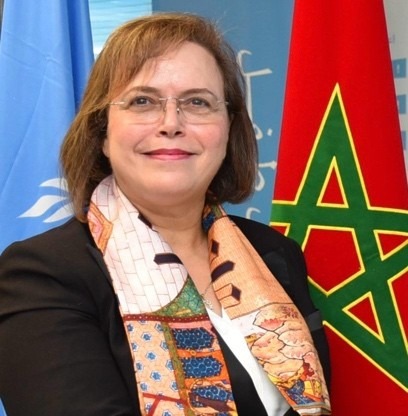
Prof Aawatif Hayar

Cognitive Smart Cities Powered by a Moroccan Frugal Sovereign Social Artificial Intelligence Model

Speaker: Dr. Aawatif Hayar

Minister of Solidarity Social Insertion and Family, Morocco

Abstract

This talk presents a new vision of Frugal, Social, and Sovereign Artificial Intelligence, where Artificial Intelligence is conceived as a driver of human, economic, and social development rather than an end in itself. The approach emphasizes Augmented Intelligence and Digital Twins to address real-world challenges such as climate change, healthcare, education, sustainable development, and the Sustainable Development Goals (SDGs).

Focusing on the Moroccan context, the proposed model promotes energy efficiency, ethical and inclusive Artificial Intelligence, data sovereignty, and locally adapted solutions. By strengthening human and collective intelligence, this vision positions Artificial Intelligence as a catalyst for equitable growth, environmental responsibility, and long-term societal impact.
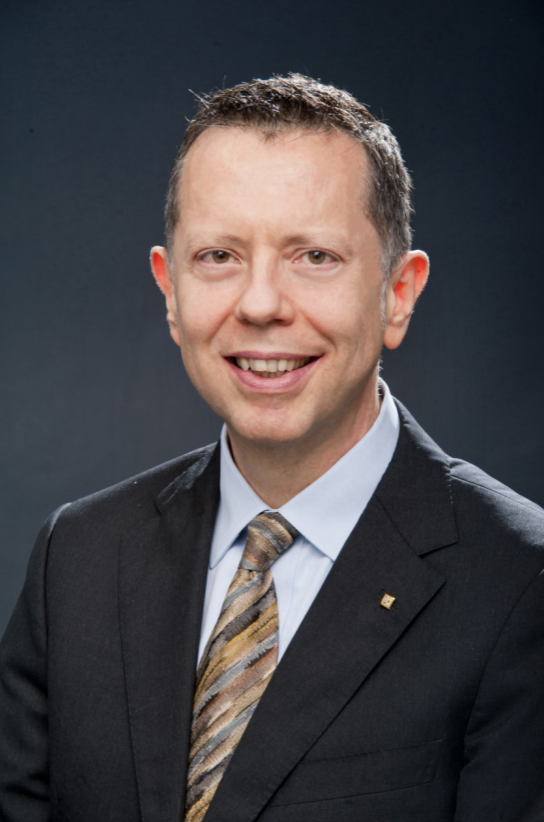
Prof. Vincenzo Piuri

Artificial Intelligence and Biometrics : challenges and opportunities

Speaker: Dr. Vincenzo Piuri

Università degli Studi di Milano, Italy

400+ publications · IEEE Fellow · IFIP Fellow

Abstract

Once typically used for critical applications and services, biometric technologies are now pervasively permeating our everyday life enabling seamless and convenient identification and authentication (e.g., passport control, smart phone unlocking, voice command, automatic photo tagging).

Artificial intelligence has been shown effective to extract the relevant knowledge from biometric data in order to increase the performance and deal with less-constrained and on-the-move acquisition of biometric traits.

The broad availability of biometric data challenges personal identity and privacy and imposes the need of biometric data protection to prevent misuse and impersonation. This lecture will illustrate the main biometrics techniques and the use of artificial intelligence, their strengths, limitations, and applications.
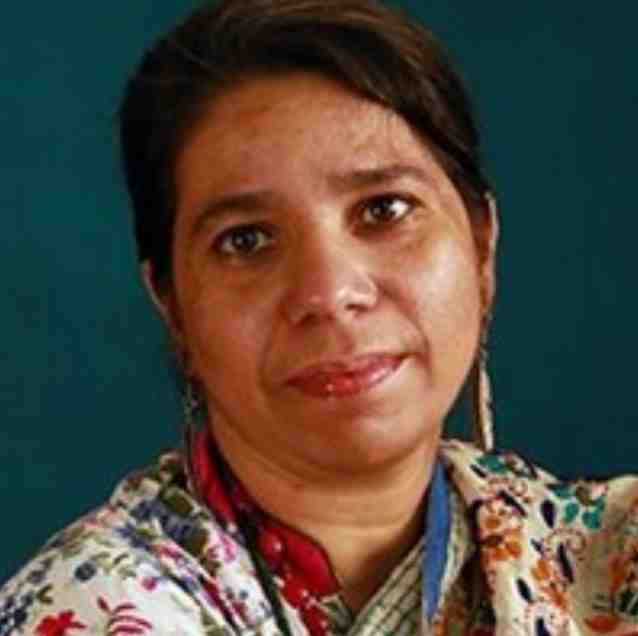
Dr. Amita Kapoor

Agentic AI and the Road to Production Deployment

Speaker: Dr. Amita Kapoor

AI & Data Analytics Consultant · Educator · Author
NePeur Founder · Neuromatch Board Member

Abstract

Agentic AI marks a shift from reactive systems to autonomous agents capable of reasoning, planning, and acting toward defined goals. By integrating large language models with memory, tool use, and feedback loops, these agents exhibit adaptive intelligence suited for dynamic environments.

However, deploying them in production presents major challenges—ensuring reliability, ethical alignment, and control over emergent behavior. Scalability, data drift, and long-term memory management add technical complexity. Overcoming these hurdles demands combining adaptive RAG, reinforcement learning, and human oversight to create AI systems that act responsibly and augment human decision-making across real-world applications.
Dr. SENAPATI Biswaranjan

Artificial Intelligence and Quantum Computing to support Industrial Manufacturing and Production

Speaker: Dr. SENAPATI Biswaranjan, AmplifyCell Technology, USA,

Abstract

This talk explores the advanced digitization of smart factory automation, highlighting the transition beyond traditional Industry 4.0 and 5.0 approaches. It focuses on digital transformation enabled by SAP Business AI, artificial intelligence, generative and agentic AI, as well as quantum technologies, including quantum AI and quantum machine learning, to address critical production challenges in battery manufacturing.

The presented approaches enable real-time data analysis, predictive maintenance, and efficient integration of legacy systems, significantly reducing downtime and improving resource management. By combining cutting-edge AI, quantum technologies, and business innovation concepts, this talk demonstrates how smart factories can achieve sustainable, efficient, and responsive manufacturing while strengthening supply chain performance and decision-making processes.

General Chair

IDRISSI Abdellah
Intelligent Processing & Security of Systems (IPSS) Team, Computer Science Department
Faculty of Sciences of Rabat, Mohammed V University in Rabat

Technical Program Committee

  • ABBAS-TURKI Jalil, UTBM, France
  • AHMADOUN D., Paris 6 University, France
  • AHMED M. Uddin, Mälardalen University, Sweden
  • AJAY Malik, SECO MIND, USA
  • ALAMI Rachid, LAAS, Toulouse University, France
  • AMMARI M., Mohammed V University in Rabat
  • BADARD Thierry, University of Laval, Canada
  • BADICA Costin, University of Craiova, Roumania
  • BARAKA A. C., Mohammed V University in Rabat
  • BAYAGA A., Stellenbosch University, South Africa
  • BEGUM Shahina, Mälardalen University, Sweden
  • BELDJEHEM Mokhtar, University of Ottawa, Canada
  • BELLATRECHE Ladjel, ENSMA Poitiers, France
  • BELOUADHA F. Z., Mohammed V University in Rabat
  • BEN ABDALLAH Hanene, University of Sfax, Tunisia
  • BEN OTHMAN Hajer, University of Jeddah, KSA
  • BENABBOU F., Hassan II University in Casablanca
  • BENABOUD H., Mohammed V University in Rabat
  • BENBLIDIA Nadjia, Blida University, Algeria
  • BENHARKAT Nabila, INSA, Lyon, France
  • BENHASSINE Ahlem, University of Jeddah, KSA
  • BENKHALIFA M., Mohammed V University in Rabat
  • BENKHELIFA Elhadj, Staffordshire University, UK
  • BENLAMRI Rachid, Lakehead University, Canada
  • BENMAMOUN M., Mohammed V University in Rabat
  • BENNANI Younès, Paris 13 University, France
  • BENTAYEB Fadila, Lyon 2 University, France
  • BOUAMAMA Sadok, University of Jeddah, KSA
  • BOUCHBOUT Khoutir, USTHB University, Algeria
  • BOUFARES Faouzi, LIPN Paris, France
  • BOUGRINE Mohammed, ISI, Rabat
  • BOUGUILA Nizar, Concordia University, Canada
  • BOUKHALFA Kamel, USTHB, Algeria
  • BOUSSAID Omar, Lyon II University, France
  • BOUSTIA N., Saad Dahla University, Algeria
  • BOUTYOUR Y., Mohammed V University in Rabat
  • CABANES Guénael, Paris 13 University, France
  • CHABCHOUB Yousra, ISEP, France
  • CHAOUI Habiba, ENSA Kenitra, Morocco
  • CHAOUI Nour El Houda, Ibn Tofail University
  • CHIKY Raja, ISEP, France
  • DHIVYAPRABHA Tt., Deemed University, India
  • DRIDI Mahjoub, UTBM, France
  • ECHOUKAIRI H., Mohammed V University in Rabat
  • EL AMRANI Najiba, USMBA University, Fes
  • EL GHMARY Mohamed, USMBA University, Fez
  • EL HANDRI K., Mohammed V University in Rabat
  • EL KHATTABI N., Mohammed V University in Rabat
  • EL MAALLAM Mina, ISI, Rabat
  • EL OUAHIDI B., Mohammed V University in Rabat
  • EL YAHYAOUI A., Mohammed V University in Rabat
  • ER-RAFYG Aicha, Mohammed V University in Rabat
  • EZ-ZAHOUT A., Mohammed V University in Rabat
  • FAVRE Cécile, Lyon 2 University, France
  • FEKI Jamel, Sfax University, Tunisia
  • FERRAG Mohamed Amine, LRS, Guelma, Algeria
  • FULVIO Mastrogiovanni, University of Genova, Italy
  • FUSHI David Luigi, Bridging Consulting, UK
  • GAHI Youssef, ENSA Kenitra, Morocco
  • GALLAND Stéphane, UTBM, France
  • GARGOURI Faiez, Sfax University, Tunisia
  • GAUD Nicolas, UTBM, France
  • GHOZZI Faiza, Sfax University, Tunisia
  • GIONIS Aristides, Aalto University, Finland
  • GRAFFI Kálmán, Düsseldorf University, Germany
  • GROZAVU Nistor, Paris 13 University, France
  • GUETIBI Sabrina, Cardiff University
  • HAMMAMI Moez, HIM, Tunisia
  • HANIFI Majdoulayne, IUR, Rabat, Morocco
  • HANY Ammar, West Virginia University, USA
  • HARMELING Stefan, Düsseldorf University, Germany
  • HAYAR Aawatif, Hassan II University, Casablanca
  • HILAL Imane, ISI, Rabat
  • HIOUAL Ouassila, Khenchela University, Algeria
  • HLUCHY Ladislav, Institute of Informatics, Slovakia
  • HSAIRI Lobna, FCIT, University of Jeddah, KSA
  • IDOUDI Hanene, University of Manouba, Tunisia
  • IDRISSI A., Mohammed V University in Rabat
  • IMGHARANE Kaoutar, EMSI, Rabat
  • IMRAN Ahmad, University of Windsor, Canada
  • ISHIDA Toru, Kyoto University, Japan
  • JABBOUR Said, Lens University, France
  • JAFAR Alzubi, Al-Balqa Applied University, Jordan
  • JARARWEH Yaser, JUST, Jordan
  • JARRAR Mustapha, Birzeit University, Palestine
  • KABACHI Nadia, Lyon 1 University, France
  • KAPOOR Amita, University of Delhi, India
  • KOUKAM Abderrafiaa, UTBM, France
  • KRIAA Lobna, University of Manouba, Tunisia
  • LANG Jérôme, Paris Dauphine University, France
  • LANGAR Rami, LIGM, UPEM, France
  • LI Kuan-Ching, Providence University, Taiwan
  • LIOTTA Antonio, Eindhoven University, Netherlands
  • LOMBARD Alexandre, UTBM, France
  • LORENZ Pascal, Haute Alsace University, France
  • MAHDAOUI Latifa, USTHB University, Algeria
  • MARTHON Philippe, Toulouse University, France
  • MATSUBARA Shigeo, Kyoto University, Japan
  • MEZIANE Abdelkrim, CERIST, Algeria
  • MOURAKAMI Yohei, Kyoto University, Japan
  • MOUSSA Rim, Carthage University, Tunisia
  • MUALLA Yazan, UTBM, France
  • NABLI Ahlem, Sfax University, Tunisia
  • NAÏT BAHLOUL Safia, Oran University, Algeria
  • NEMICHE Mohamed, FS Agadir, Morocco
  • OMARY Fouzia, Mohammed V University in Rabat
  • OMRI Kaouther, FCIT, University of Jeddah, KSA
  • OUACHA Ali, Mohammed V University in Rabat
  • OUHBI Sofia, IUR, Rabat, Morocco
  • OULAD SAYAD Younes, Ibn Zohr University
  • PASQUIER Philippe, Simon Fraser University, Canada
  • PEREZ Gregorio Martinez, University of Murcia, Spain
  • PIURI Vincenzo, University of Milan, Italy
  • PRECUP Radu-Emil, University of Timisoara, Romania
  • PUNTES Daniel Franco, UAB, Spain
  • RAHIM Rana, AUB, Lebanon
  • RAVAT Frank, Toulouse University, France
  • RETAL Sara, University of Mohammedia
  • RIADSOLH A., Mohammed V University in Rabat
  • ROBBANA Riadh, INSAT, Tunisia
  • RODRIGUEZ Sebastian, RMIT, Australia
  • ROSHAYU Mohamad, University of Jeddah, KSA
  • ROTHMAN Denis, AI Expert, Paris, France
  • SAHAMI Mehran, Stanford University, UK
  • SALMELIN Riitta, Aalto University, Finland
  • SARKKA Simo, Aalto University, Finland
  • SAXENA Geetika Jain, University of Delhi, India
  • SENAPATI Biswaranjan, AmplifyCell Technology, USA
  • SCHIEX Thomas, INRA, Toulouse, France
  • SHEIKH Iqbal Ahamed, Marquette University, USA
  • SLAIMI Fatma, University of Marseille, France
  • SNOUSSI Samia, FCIT, University of Jeddah, KSA
  • SONI Neha, Maharishi Markandeshwar University, India
  • SOREL Reisman, California State University, USA
  • SUBASHINI P., Deemed University, India
  • SUYKENS Johan, KU Leuven, Belgium
  • TAKAYUKI Ito, Nagoya University, Japan
  • TESTE Olivier, Toulouse University, France
  • TOGELIUS Julian, New York University, USA
  • TRICHNI S., Mohammed V University in Rabat
  • TU BAO Ho, JAIST, Japan
  • UDEN Lorna, Staffordshire University, UK
  • VELIN Tonny, AICRUMIT, Spain
  • WALSH Toby, UNSW Sydney, Australia
  • Wang Frank, University of Kent, UK
  • ZAITAR Youssef, Mohammed V University in Rabat
  • ZAHIR Jihad, UCAM, Marrakech, Morocco
  • ZARAKET Fadi, AUB, Lebanon
  • ZIANI F. Z., Mohammed V University in Rabat
  • ZINEDINE K., Mohammed V University in Rabat
  • ZGHAL Sami, Jendouba University, Tunisia
  • ZURFLUH Gilles, Toulouse University, France

Organizing Committee

TBA

Registration

Each accepted regular paper or short paper MUST be uploaded by 07 December 2025. The format for camera-ready paper is available on the conference website: https://maidss.org/maidss26.

A regular paper is limited to 20 pages, with a maximum of 2 extra pages.
A short paper is limited to 8 pages, with a maximum of 2 extra pages.

If you wish to attend the conference, please fill out the following form: The form

PROGRAM

Access the full MAIDSS 2026 Conference Schedule [Program]

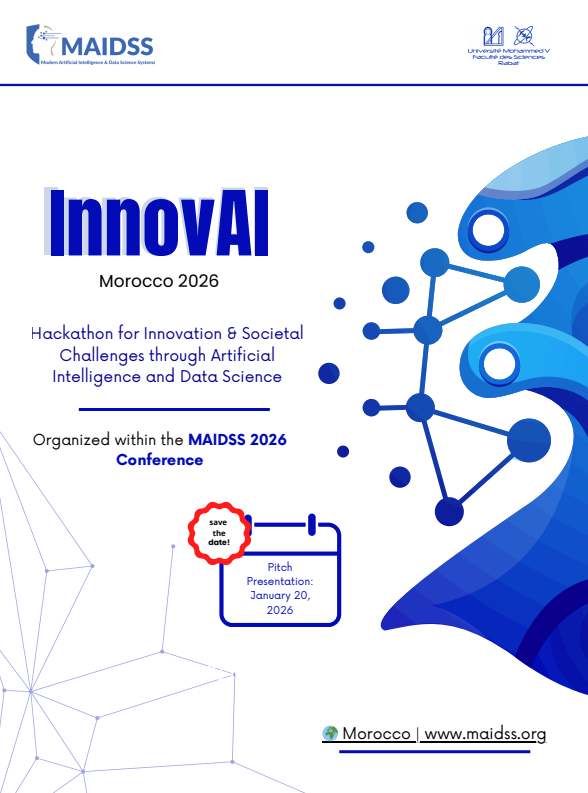
InnovAI MAIDSS 2026 — Join the Hackathon for Innovation & Societal Challenges through AI and Data Science, held within the MAIDSS 2026 Conference.
Collaborate, innovate, and pitch your solution on January 20, 2026 at Université Mohammed V de Rabat.

REACH US

Get Direction to the Event Hall

Faculty of Science, 4 Avenue Ibn Battouta, Rabat, Morocco

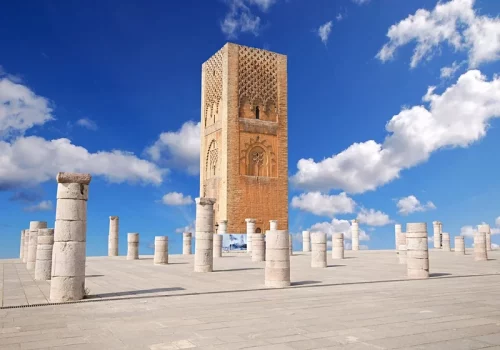
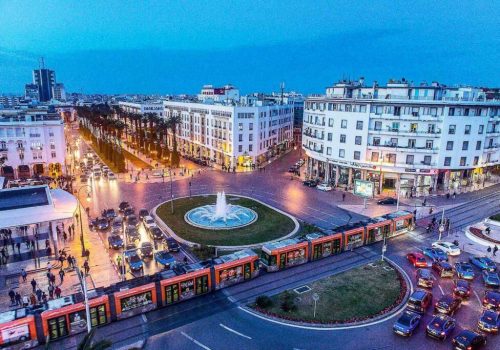
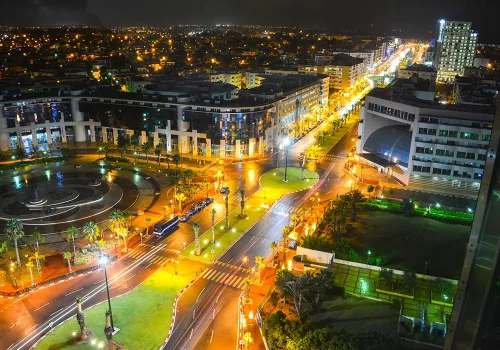
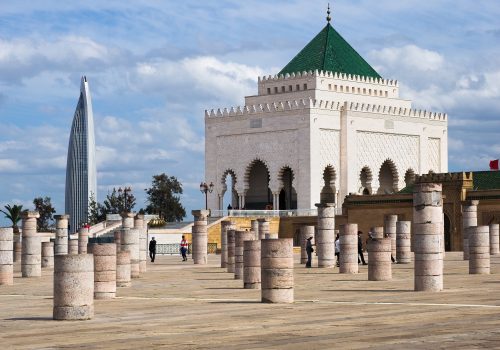
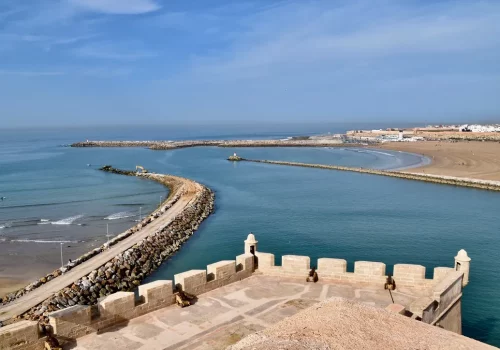
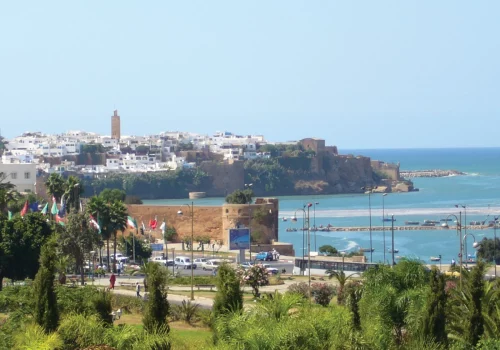
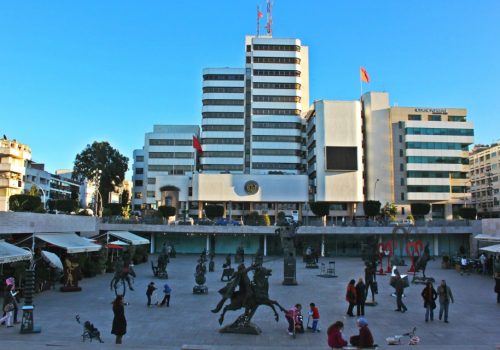
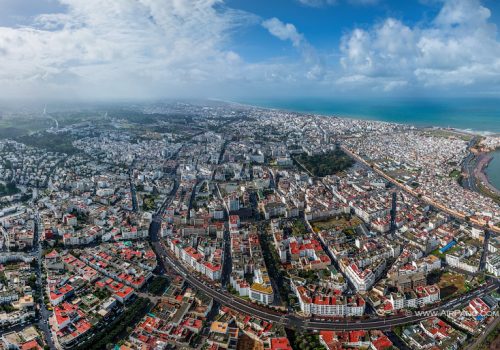
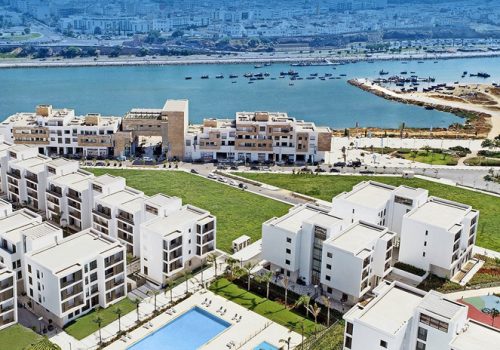
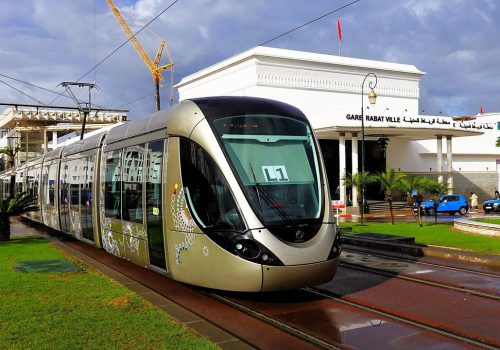
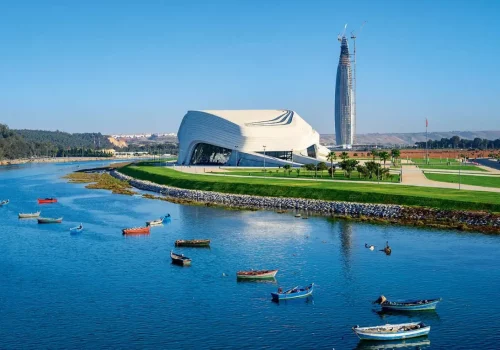
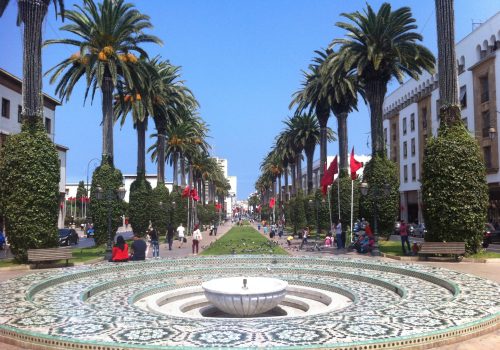
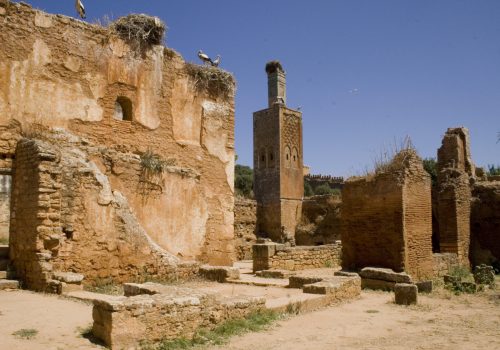
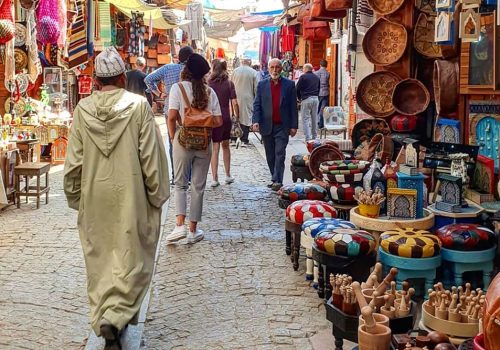
Discover Rabat

Join us in a city that blends heritage, knowledge, and inspiration.
Image 1
Image 2
Image 3
Image 4
Image 5
Image 6
Image 7
Image 8
Image 9
Image 10
Image 11
Image 12
Image 13
Image 14
Image 15
Image 16
Image 17
Image 18
Image 19
Image 20

SPONSORS